Service Learning: Combining Education and Community Service
Discover how service learning blends education with community service, empowering students to make a difference. Explore its benefits, practical applications, and top volunteer opportunities, with a focus on environmental conservation and opportunities for college students.
4 min read
Overview
Service learning is more than just volunteering—it's a powerful way to combine education with community service. By integrating hands-on projects with academic goals, students gain real-world skills while making a positive impact. This article explores service learning, its benefits, and how college students can get involved, especially in environmental conservation.
What Is Service Learning?
Service learning is an educational approach that blends classroom learning with community service. Unlike traditional volunteering, it’s structured to meet specific academic objectives while addressing community needs. For example, a biology student might restore a local wetland, applying ecological concepts while helping the environment.
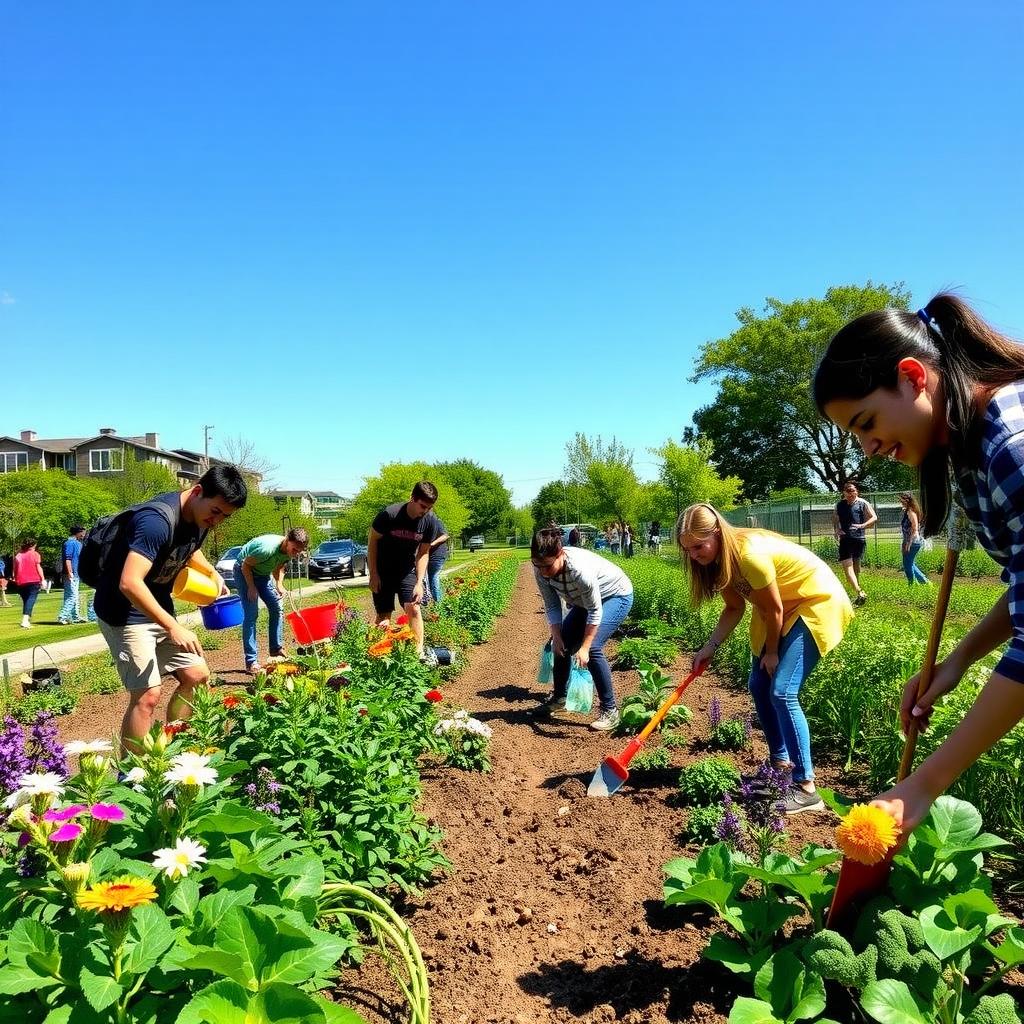
I remember my first service learning project in college—a community garden initiative. We studied soil science in class, then applied it by planting native species. The experience made abstract concepts tangible and showed me the value of giving back.
The key to service learning is reflection. After completing a project, students analyze their experiences, connecting them to coursework. This process deepens understanding and fosters critical thinking. It’s not just about doing good—it’s about growing as a learner and a person.

Why Service Learning Matters
Service learning benefits everyone involved—students, communities, and educators. For students, it builds skills like teamwork, problem-solving, and leadership. It also boosts confidence. I felt a sense of pride when our garden project attracted local wildlife, knowing we’d made a difference.
Communities gain practical support, like cleaner parks or restored habitats. Educators benefit by seeing students engage deeply with material. Studies show service learning improves academic performance and civic engagement (source: National Service-Learning Clearinghouse).
The Benefits of Volunteering in Environmental Conservation
Environmental conservation is a popular focus for service learning, and for good reason. Volunteering in this area teaches students about ecosystems, sustainability, and climate change while creating measurable impact. Here are some key benefits:
- Practical Learning: Students apply concepts like biodiversity or water conservation in real settings.
- Community Impact: Projects like tree planting or beach cleanups improve local environments.
- Personal Growth: Working outdoors fosters a deeper connection to nature.
- Career Skills: Conservation projects build resumes, especially for environmental science majors.
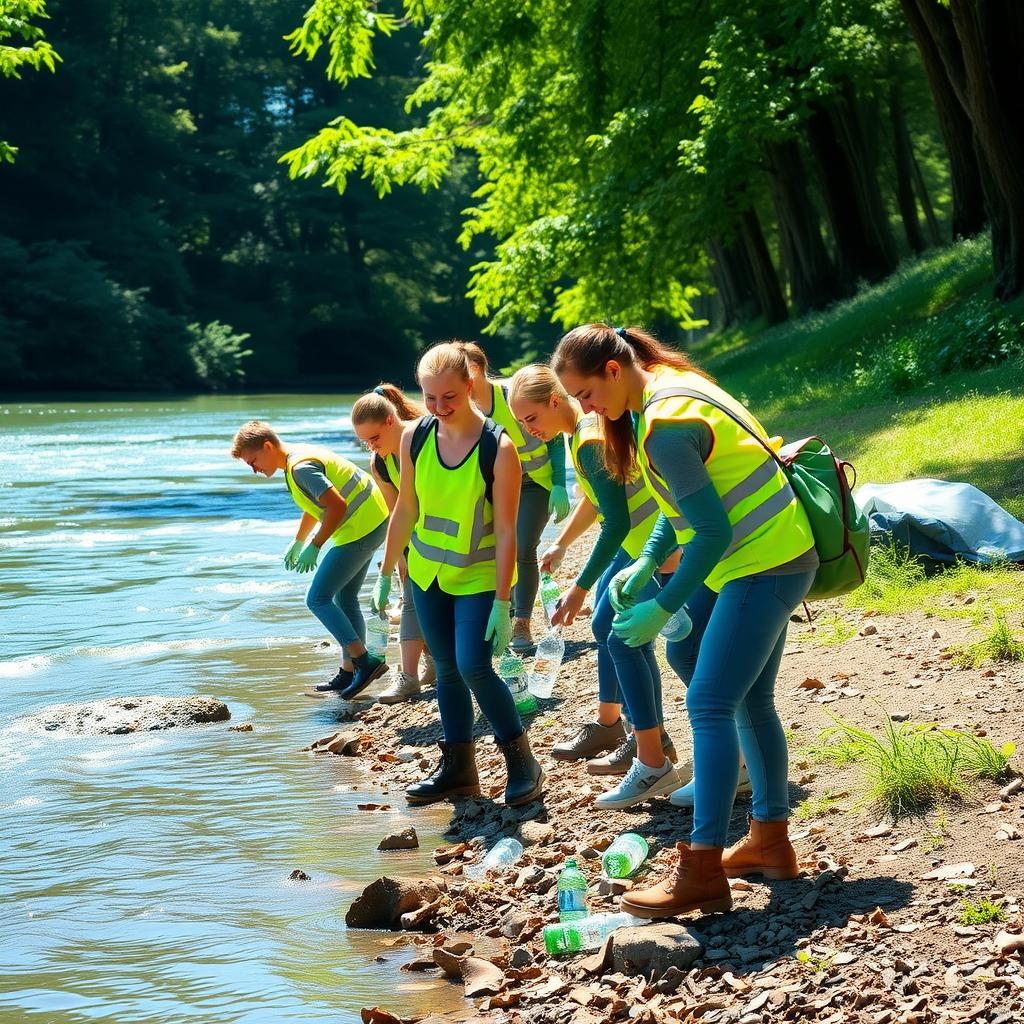
One of my favorite memories was a river cleanup. We learned about water pollution in class, then removed trash from a local stream. Seeing clearer water by the end of the day was incredibly rewarding.
Top 5 Volunteer Opportunities in Environmental Conservation
Ready to get involved? Here are five impactful volunteer opportunities for college students interested in environmental conservation:
- Tree Planting Initiatives - Join local or national groups like the Arbor Day Foundation to plant trees and combat deforestation.
- Wildlife Habitat Restoration - Work with organizations like the National Wildlife Federation to restore habitats for native species.
- Beach and River Cleanups - Participate in cleanups through groups like Ocean Conservancy to protect waterways.
- Urban Gardening Projects - Help create or maintain community gardens to promote sustainable food systems.
- Environmental Education Outreach - Teach kids or communities about sustainability through programs like those offered by the Sierra Club.
These opportunities are widely available and often partner with colleges, making them ideal for service learning.
Volunteer Opportunities for College Students
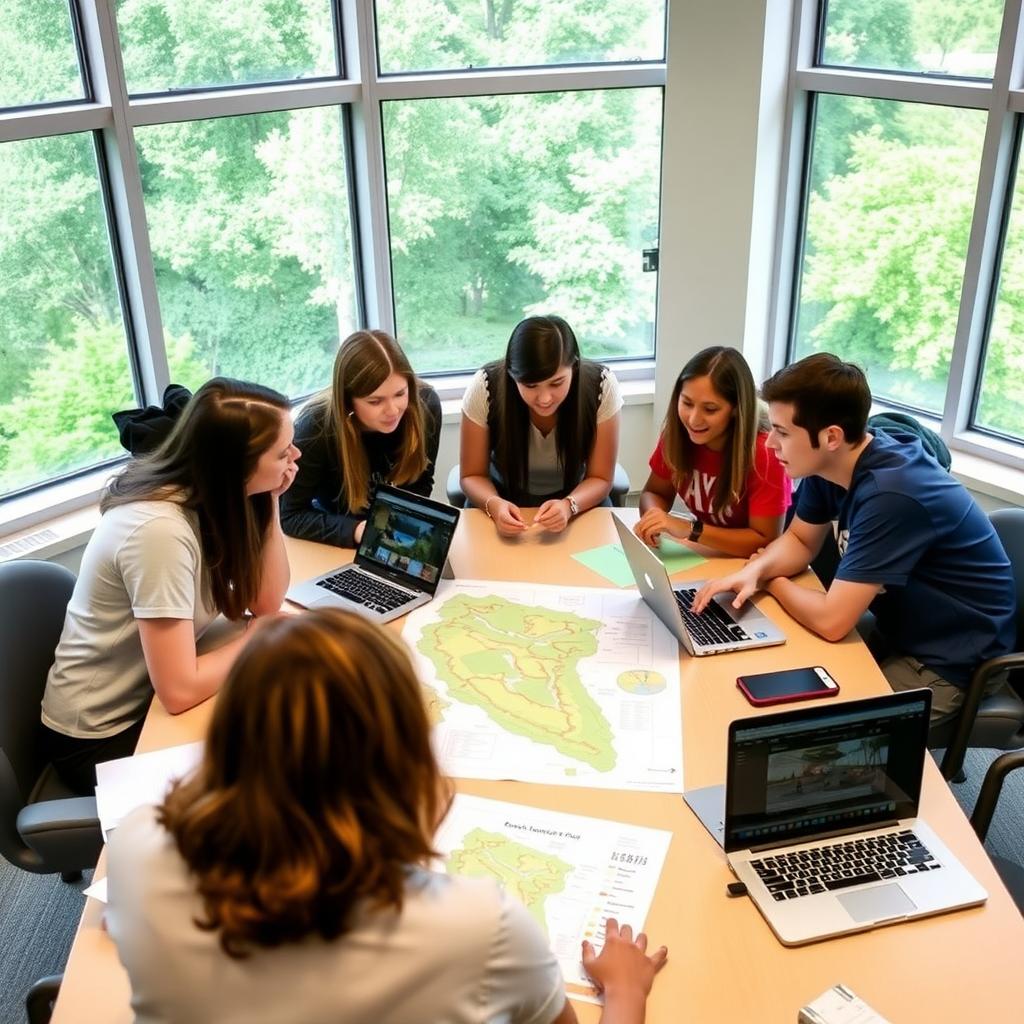
College students are uniquely positioned for service learning. Many universities offer programs that integrate volunteering with coursework, often providing academic credit. Here’s how students can get started:
- Check Campus Programs: Many schools have service learning offices that connect students with local projects.
- Join Student Organizations: Environmental clubs often organize conservation projects.
- Look for Grants: Some programs offer funding for service learning initiatives.
- Partner with Nonprofits: Groups like Habitat for Humanity or local environmental organizations welcome student volunteers.
When I joined my university’s sustainability club, I found endless opportunities to volunteer. From organizing recycling drives to leading workshops, these experiences shaped my career path in environmental advocacy.
How to Make the Most of Service Learning
To maximize your service learning experience, follow these tips:
| Tip | Description |
|---|---|
| Choose a Cause You Care About | Pick projects that align with your interests, like conservation if you love nature. |
| Set Clear Goals | Define what you want to learn and achieve before starting. |
| Reflect Actively | Write or discuss how the experience connects to your studies. |
| Build Connections | Network with community members and professors for future opportunities. |
| Track Your Impact | Document your contributions, like pounds of trash collected or trees planted. |
Reflection was key for me. After each project, I journaled about what I learned and how it felt to contribute. This helped me see the bigger picture and stay motivated.
Challenges and How to Overcome Them
Service learning isn’t without challenges. Time management can be tough, especially with a full course load. Some projects may feel overwhelming, or students might struggle to see the academic connection. Here’s how to tackle these issues:
- Time Management: Schedule volunteer hours like classes and prioritize tasks.
- Project Scale: Start with smaller, manageable projects to build confidence.
- Academic Link: Work with professors to align projects with course goals.
I once felt swamped during a semester-long conservation project, but breaking tasks into weekly goals made it manageable. Talking to my professor also helped me tie the work to my studies.
Summary
Service learning is a win-win, blending education with meaningful community service. It offers college students a chance to grow academically and personally while making a difference, especially in areas like environmental conservation. By choosing the right projects and reflecting on experiences, students can unlock lifelong skills and a passion for giving back. Get started today by exploring opportunities at your school or in your community.