Skill-Based Volunteering in Education: Empowering Communities with Expertise
Discover how skill-based volunteering in education transforms schools and communities. Learn how professionals can share expertise, from tutoring to strategic planning, to support students and nonprofits, while gaining personal and professional growth.
5 min read
Overview
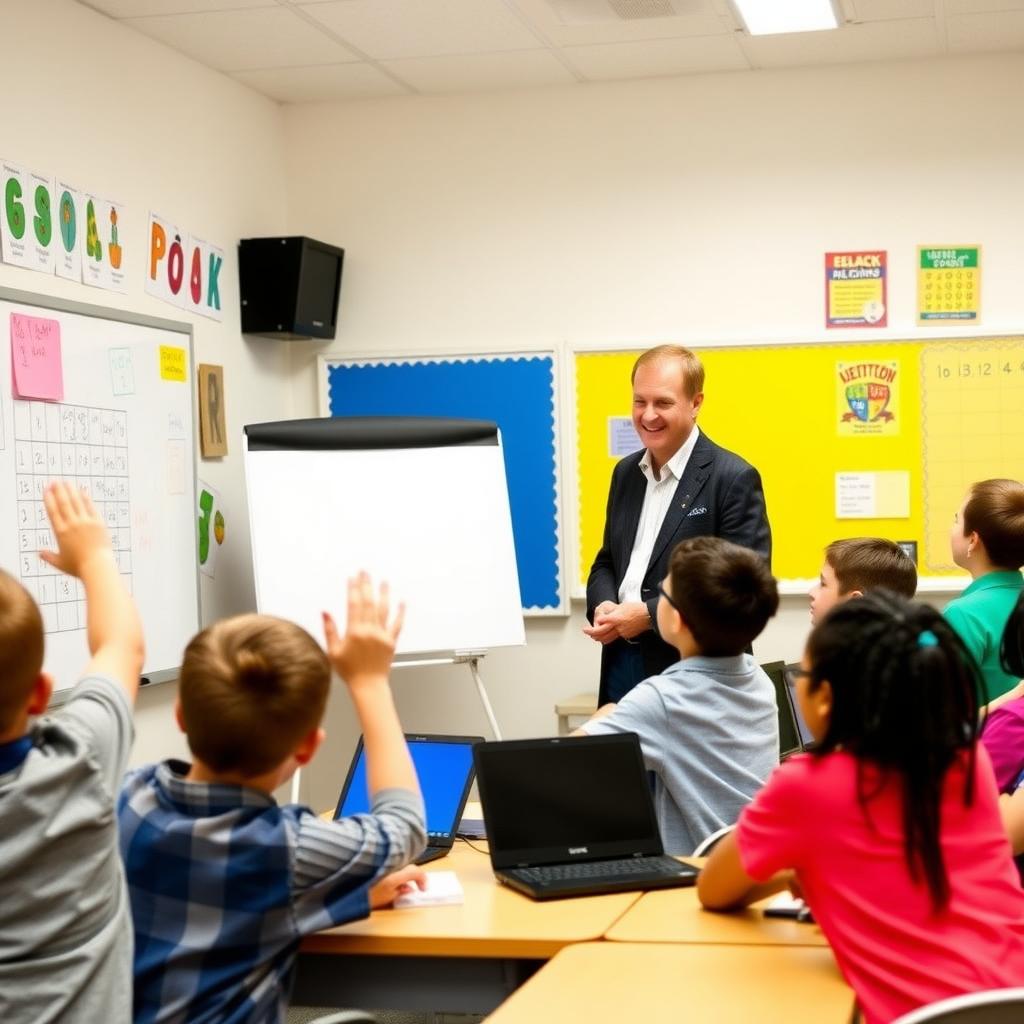
Skill-based volunteering in education is a powerful way to make a difference. Professionals use their expertise—whether in teaching, technology, or management—to support schools and educational nonprofits. This approach not only helps students but also enriches volunteers with new skills and purpose.
What Is Skill-Based Volunteering in Education?
Skill-based volunteering in education involves professionals donating their specialized skills to support learning environments. Unlike traditional volunteering, which might include tasks like organizing events, skill-based volunteering leverages expertise in areas like tutoring, curriculum design, or technology integration. For example, a marketing expert might help a school create a fundraising campaign, or an IT professional could set up digital tools for classrooms.
This type of volunteering is growing. According to a study from the National Center for Education Statistics, schools with volunteer programs often see improved student outcomes, especially when volunteers bring professional skills. It’s a win-win: nonprofits gain access to expertise they couldn’t otherwise afford, and volunteers find meaningful ways to give back.

Why Skill-Based Volunteering Matters
Education nonprofits and schools often face tight budgets. They need help with tasks like data analysis, strategic planning, or digital literacy programs, but hiring experts is expensive. Skill-based volunteers fill this gap. For instance, a volunteer with data skills can help a school analyze student performance trends, enabling better resource allocation.
Volunteers also benefit. A report by Stanford Social Innovation Review notes that skill-based volunteering boosts employee satisfaction and retention for companies encouraging it. Volunteers gain leadership experience, build networks, and feel a sense of purpose. I once met a graphic designer who volunteered to create educational materials for a rural school. She said the experience not only honed her skills but also connected her with a community she’d never have known otherwise.
How to Get Involved
Ready to make a difference? Here’s how to start with skill-based volunteering in education:
- Identify Your Skills: Reflect on what you do best. Are you a whiz at coding, writing, or project management? Even niche skills, like grant writing, can be valuable.
- Find Opportunities: Platforms like VolunteerMatch connect volunteers with organizations. Local schools or nonprofits like Boys & Girls Clubs often need skilled help.
- Match Skills to Needs: Look for roles that align with your expertise. A school might need a volunteer to teach coding or redesign their website.
- Commit Thoughtfully: Skill-based projects often require a specific time commitment. Be clear about what you can offer.
- Track Impact: Measure your contribution, like the number of students tutored or systems improved, to see your real impact.
When I volunteered as a tutor for a literacy program, I used my writing background to help students craft essays. Seeing their confidence grow was rewarding, but I also learned patience and adaptability—skills I now use in my professional life.

Benefits for Schools and Nonprofits
Skill-based volunteering in education can transform organizations. Here’s how:
- Cost Savings: Nonprofits save money by accessing pro bono expertise. Independent Sector estimates the value of a volunteer hour at $31.80, making skilled contributions especially impactful.
- Capacity Building: Volunteers help with strategic tasks, like creating marketing plans or improving IT systems, which strengthen operations.
- Student Impact: Tutoring or mentoring directly supports students. A volunteer who teaches coding, for example, can open career paths for kids in underserved areas.
I saw this firsthand when a friend, an accountant, volunteered to streamline a school’s budgeting process. The school saved thousands, redirecting funds to classroom resources. The ripple effect was clear: better tools meant better learning.
Benefits for Volunteers
Volunteering isn’t just about giving—it’s about growing. Here are key benefits for volunteers:
- Skill Development: You’ll refine existing skills and learn new ones. Teaching others, for instance, sharpens communication and leadership.
- Networking: You’ll meet educators, nonprofit leaders, and other professionals, expanding your connections.
- Purpose: Contributing to education feels meaningful. Helping a student read their first book or build their first website is unforgettable.
- Career Boost: Volunteering can enhance your resume. Employers value community involvement, especially when it shows leadership.
I recall a volunteer who used her project management skills to organize a school’s STEM fair. She later told me the experience gave her confidence to lead bigger projects at work.
Challenges and How to Overcome Them
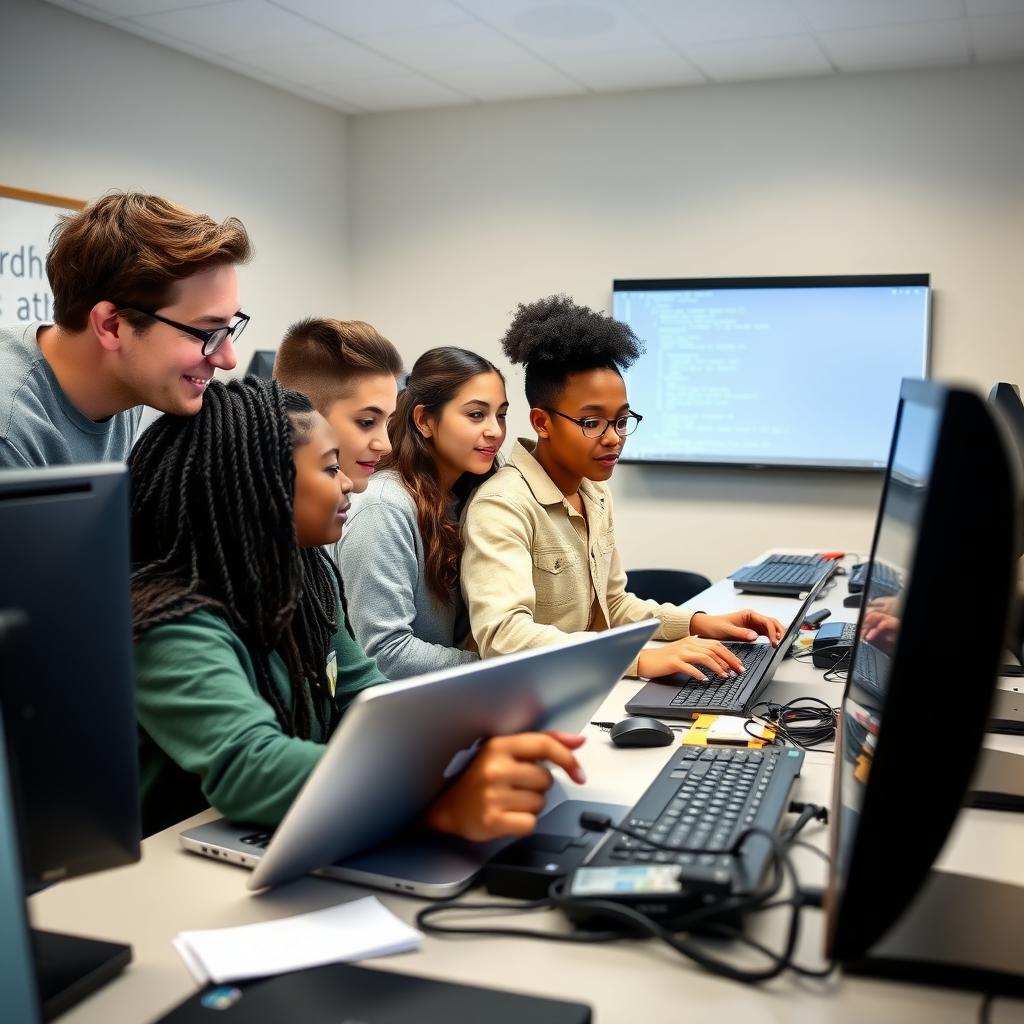
Skill-based volunteering isn’t without hurdles. Nonprofits may lack the structure to manage skilled volunteers effectively. Volunteers might feel their expertise isn’t fully utilized. To address these:
- Communicate Clearly: Discuss expectations upfront. Ensure the organization understands your skills and how you can help.
- Start Small: Begin with a short-term project to test the fit. A single workshop can reveal if the partnership works.
- Seek Support: Organizations like BCS, The Chartered Institute for IT offer frameworks for matching skills to nonprofit needs, especially in tech.
I once worked with a school that struggled to use my editing skills effectively. We solved it by setting clear goals: I revised their grant proposals, which led to new funding. Clear communication made all the difference.
Real-World Impact
Consider the story of EdConnect, a program in Australia connecting volunteers with schools. A study from PMC found that volunteers providing academic support boosted students’ confidence and engagement. Volunteers reported personal growth, too, like improved emotional well-being.
Another example is corporate programs. Companies like Fidelity use skill-based volunteering to support education, pairing employees with schools for projects like curriculum development. These efforts show how targeted skills can create lasting change.
In my own experience, volunteering to teach basic coding to high schoolers opened their eyes to tech careers. One student later pursued computer science, crediting our sessions as her inspiration. Moments like these show the power of skill-based volunteering.
Summary
Skill-based volunteering in education bridges gaps in resources and expertise, empowering schools and nonprofits to better serve students. Volunteers gain skills, purpose, and connections while making a tangible impact. By aligning your expertise with a school’s needs, you can transform lives—yours included. Start small, communicate clearly, and watch the ripple effects grow.